


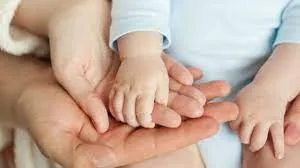
Donating eggs is one of the most impactful acts a woman can perform. It’s more than a medical procedure—it’s a gift of potential life, an expression of empathy, and a chance to change someone’s world. For couples who are unable to conceive naturally, egg donors offer renewed hope. Whether you’re just learning about this process or actively searching “how does egg donation work,” this post will guide you through everything you need to know.
What Is Egg Donation?
Egg donation is when a healthy woman donates her eggs to help another person or couple conceive a child. The eggs are retrieved through a minimally invasive procedure and fertilized via in vitro fertilization (IVF). The resulting embryo is then implanted into the uterus of the intended mother or surrogate.
Who Can Become an Egg Donor?
Every country and clinic has its requirements, but typically an egg donor should:
- Be between 18–32 years old
- Have regular menstrual cycles
- Be in good physical and mental health
- Not smoke or use drugs
- Have a stable lifestyle
At Militta Agency, candidates go through comprehensive screening to ensure safety for both the donor and future child.
Why Do People Choose to Donate Eggs?
Some women donate to help others create families, others are drawn by the medical insights and financial compensation. Many find it to be an empowering and fulfilling experience.
Key motivations include:
- Helping people struggling with infertility
- Financial compensation (in many cases, between $3,000–$7,000)
- Access to a full health check-up
- A sense of purpose and contribution
How Does Egg Donation Work?
The process involves several steps:
- Initial Application & Screening: Includes medical history, physical examination, psychological assessment, and genetic testing.
- Hormonal Stimulation: The donor self-injects hormones over 10–14 days to stimulate egg production. Clinics monitor progress with ultrasounds and blood tests.
- Egg Retrieval: A quick, outpatient procedure performed under mild sedation. Most donors resume normal activities within a day.
- Recovery & Support: Agencies like Militta provide post-procedure guidance and emotional support.
Is Egg Donation Safe?
Yes—when performed at a licensed fertility clinic, egg donation is considered very safe. Side effects may include temporary bloating or mood swings from hormones. Serious complications are rare and monitored closely.
Egg donation does not reduce your chances of having biological children in the future. You’re born with thousands of eggs; donation only retrieves a small portion.
What Happens to the Eggs After Donation?
Eggs are fertilized in a lab and either transferred fresh or frozen for future use. Some recipients are women who can’t produce eggs due to age, illness, or genetics. Others are same-sex couples or single parents by choice.
Why Work With Militta Agency?
Militta treats each donor with respect, confidentiality, and professionalism. The process is transparent, and donors are guided through each stage with clarity and compassion.
Whether you’re a first-time donor or considering another cycle, Militta ensures your safety, comfort, and dignity.
FAQ: Donating Eggs
Q: How does egg donation work?
A: Through hormonal stimulation and a short outpatient procedure that collects mature eggs for IVF.
Q: Is it painful?
A: Most donors report mild discomfort or bloating, with quick recovery.
Q: Will it affect my fertility?
A: No. Egg donation does not deplete your egg reserve significantly or impact future fertility.
Q: Can I donate more than once?
A: Yes. Many women donate multiple times, under medical supervision.
Q: Do I need to travel?
A: Some programs require travel. Militta covers travel costs and provides full support.
Q: How long does the process take?
A: About 4–6 weeks from screening to donation.
Q: Will I know who gets my eggs?
A: Usually no. Most programs are anonymous, but known donation is possible in some cases.


