


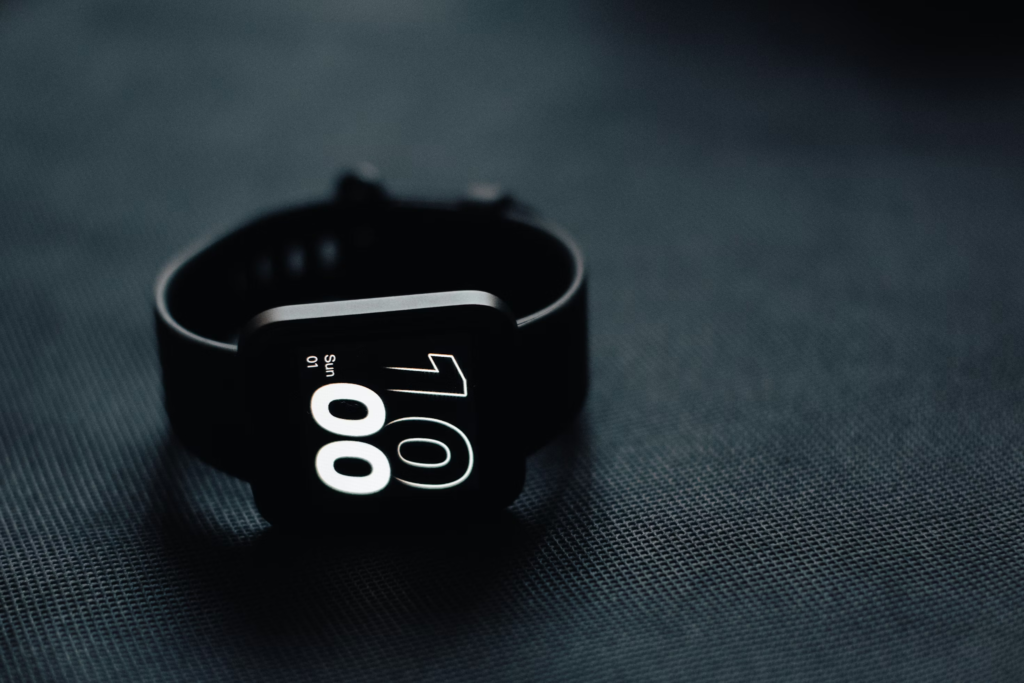
Working out used to depend on a simpler routine. A gym membership, a stopwatch, maybe a printed plan, and a rough guess about whether progress was actually happening. For plenty of people, that approach still works. But fitness technology has changed the daily workout in a very noticeable way. Exercise is now guided by data, shaped by apps, tracked by wearables, and adjusted in real time. What once felt vague now feels measurable.
That shift fits the wider digital rhythm of modern life. Phones already manage schedules, payments, reminders, playlists, and platforms such as x3bet, so fitness tools sliding into the same space hardly feels strange anymore. A watch can track heart rate during a run. An app can suggest recovery time after training. A screen can count reps, record sleep, and quietly remind the body that sitting still all day is not exactly a master plan. The workout has become more connected, and in many cases, more personal.
Workouts Feel Less Random Than Before
One of the biggest changes is clarity. Fitness technology makes it easier to see what is actually happening instead of relying on memory or mood. A person may think enough walking is happening during the day, then a step count says otherwise. A workout may feel intense, but heart rate data shows the effort never really left the comfortable zone. Sleep may seem fine until a tracker reveals a pattern of poor recovery.
This matters because many everyday workouts used to be based on guesswork. Progress was often measured through mirrors, scales, or that deeply scientific method known as “maybe this is working.” Technology does not magically solve discipline, but it makes patterns easier to spot. Once the numbers appear regularly, habits become harder to ignore.
That is where fitness tech becomes useful. It turns broad goals into visible routines. Move more. Recover better. Push harder. Rest properly. Those ideas stop sounding abstract when the data keeps showing up.
Wearables Changed The Way Progress Is Measured
Smartwatches, fitness bands, chest straps, and other trackers made exercise more immediate. Instead of waiting weeks to notice change, small signals now appear daily. Calories burned, distance covered, pace, recovery, heart rate, sleep quality, and workout duration all become part of the picture.
This can be motivating for one simple reason: visible progress feels more real. A person may not notice better endurance in conversation, but a longer run at a steadier pace says plenty. Technology gives shape to improvement, and that shape can keep motivation alive when enthusiasm starts wobbling.
Fitness Tools That Changed Everyday Training The Most
Some devices and features became especially influential because they fit normal routines so well:
- Smartwatches make tracking movement, heart rate, and workouts almost automatic
- Fitness apps provide plans, timers, guidance, and progress logs in one place
- Sleep trackers connect rest quality with training performance
- Wireless earbuds turn walks, runs, and gym sessions into easier habits to keep
- Home workout platforms bring guided exercise into small apartments and busy schedules
None of this guarantees perfect fitness. A watch cannot do the push-ups on its own, tragic as that may be. But these tools do make consistency easier to build.
Home Workouts Became Smarter And More Structured
Another major shift came through home training. Technology made at-home exercise feel less improvised. Instead of repeating the same random routine from memory, many people now follow guided sessions, video programs, virtual classes, and app-based plans designed around specific goals.Fitness technology also makes workouts feel less lonely. A guided voice, a live class, or a shared app challenge can create structure that used to come only from trainers or gym environments. The screen is not a perfect replacement for human coaching, but it often helps people begin and continue.
Data Can Motivate, But It Can Also Distract
There is a catch, of course. More data is not always better. Some people start checking numbers so often that the workout becomes secondary. Pace, rings, calories, recovery scores, strain levels, and endless notifications can turn a simple run into an overcomplicated performance review.
That is where balance matters. Fitness technology works best when it supports the workout rather than hijacking it. The body still needs movement, not a courtroom full of graphs every morning. A tracker should guide decisions, not create panic because sleep was five percent worse than last Tuesday.
Personalization Is Making Fitness More Realistic
One of the strongest benefits of modern fitness technology is personalization. Instead of using one generic routine forever, many tools now adapt based on performance, goals, time available, and recovery data. That makes exercise feel more realistic. A busy week can lead to shorter sessions. Better stamina can lead to harder intervals. Poor sleep can suggest a lighter day.
Where Fitness Technology Is Helping Most In Daily Workouts
Its impact shows up in several practical ways:
- Routine building through reminders, streaks, and visible progress
- Better pacing because heart rate and timing data reduce guesswork
- Smarter recovery through sleep, strain, and readiness tracking
- More flexibility with guided training at home or outdoors
- Clearer motivation because small improvements become easier to see
This is why fitness technology keeps spreading. It fits ordinary life better than the older all-or-nothing version of exercise.
Everyday Training Is Becoming More Informed
Fitness technology is changing everyday workouts because it makes exercise easier to track, easier to personalize, and easier to fit into real schedules. It does not replace effort, discipline, or common sense. Those still matter, probably more than any shiny device ever will.
But the difference is real. Workouts now come with better feedback, clearer patterns, and more support than before. For many people, that turns fitness from a vague intention into something practical enough to keep. And in everyday life, practicality usually wins.


