


Smart technology has become one of the most influential developments of the modern era, changing how people communicate, work, learn, and interact with the world around them. From smartphones and smart homes to artificial intelligence and connected devices, technology is becoming more intelligent, efficient, and personalized every day. Many digital platforms and online services are also adopting advanced technologies to improve user experiences, including websites such as batman138.id that represent the growing presence of digital solutions in everyday activities. As innovation continues to accelerate, smart technology is no longer just a luxury but an essential part of modern life.
The rapid expansion of smart technology is transforming industries, businesses, and personal lifestyles. Devices that can analyze information, learn user preferences, and make automated decisions are becoming increasingly common. This transformation is creating a more connected society where technology supports convenience, productivity, and better decision-making.
Understanding Smart Technology
Smart technology refers to electronic systems and devices that use advanced software, sensors, artificial intelligence, and internet connectivity to perform tasks with minimal human involvement. Unlike traditional technology, smart devices can collect data, process information, and adapt according to user needs.
Examples of smart technology include smartphones, smart televisions, smart watches, voice assistants, automated home systems, smart vehicles, and industrial machines. These technologies rely on networks and data analysis to provide faster and more efficient solutions.
The main purpose of smart technology is to simplify daily activities. Whether it is controlling household appliances through voice commands, monitoring health through wearable devices, or using intelligent software for business operations, smart technology improves convenience and efficiency.
The Role of Artificial Intelligence in Smart Technology
Artificial intelligence (AI) is one of the biggest factors driving the growth of smart technology. AI allows machines to understand patterns, learn from experiences, and make decisions based on available information. Many smart devices use AI to provide personalized recommendations and automate complex processes.
For example, streaming platforms use AI algorithms to suggest movies and shows based on user preferences. Online shopping websites analyze customer behavior to recommend products that may be useful. Virtual assistants use artificial intelligence to answer questions, manage schedules, and control connected devices.
As AI continues to develop, smart technology is becoming more powerful and capable. Future smart systems will likely provide even more advanced automation, helping individuals and organizations solve problems more effectively.
Smart Technology in Everyday Life
Smart technology has become deeply integrated into daily routines. Smartphones are among the most common examples, offering communication, entertainment, navigation, financial services, and countless other functions in a single device.
Smart homes are another major area where technology is making a significant impact. Homeowners can now use smart lighting, security cameras, thermostats, and appliances that can be controlled remotely. These systems improve comfort while also helping reduce energy consumption.
Wearable technology is also becoming increasingly popular. Smart watches and fitness trackers can monitor physical activity, track health information, and provide important insights into personal wellness. These devices encourage people to maintain healthier lifestyles through real-time information.
The Impact of Smart Technology on Businesses
Businesses across different industries are adopting smart technology to improve operations and remain competitive. Automation, data analysis, and intelligent software allow companies to increase productivity and reduce operational costs.
In manufacturing, smart machines can monitor production processes, identify problems, and improve efficiency. In retail, businesses use smart systems to understand customer preferences and create personalized shopping experiences. In finance, intelligent technologies help detect fraud, manage transactions, and improve customer services.
Small businesses are also benefiting from smart technology. Cloud platforms, digital marketing tools, and automated communication systems allow smaller companies to compete in global markets. Technology has created opportunities for businesses of all sizes to grow and reach more customers.
Smart Technology and the Future of Healthcare
Healthcare is one of the industries experiencing major changes due to smart technology. Digital health tools, artificial intelligence, and connected medical devices are improving diagnosis, treatment, and patient care.
Smart devices can monitor vital signs and provide healthcare professionals with valuable information. Remote healthcare services allow patients to consult doctors without visiting hospitals, making medical support more accessible.
Artificial intelligence is also helping doctors analyze medical data and identify potential health issues more quickly. As technology continues to improve, smart healthcare systems may become even more accurate, efficient, and personalized.
The Growth of Smart Cities
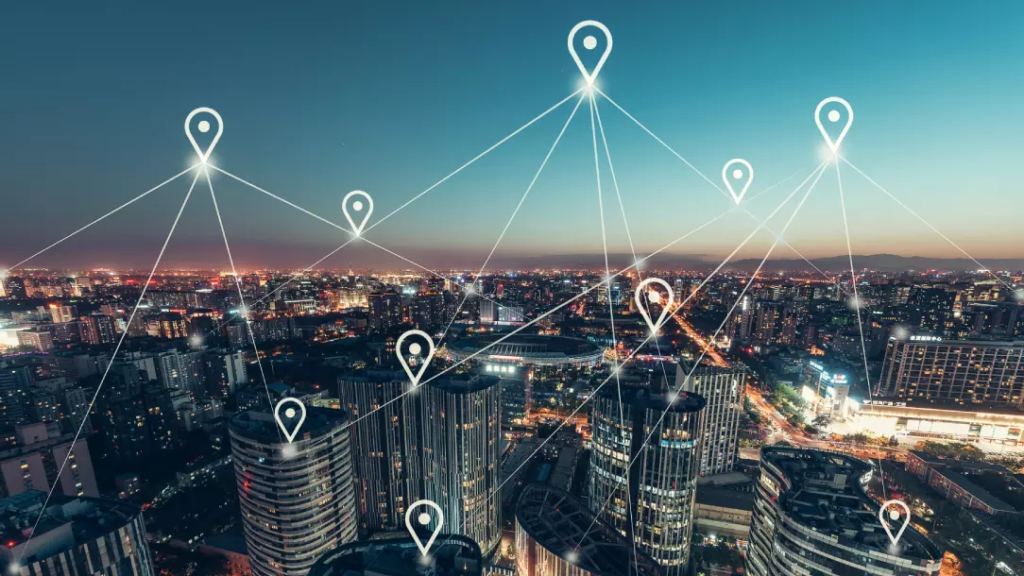
Smart cities represent another important development driven by smart technology. These cities use connected systems to improve transportation, energy management, public safety, and environmental sustainability.
Smart traffic systems can reduce congestion by analyzing vehicle movement and adjusting signals automatically. Intelligent energy networks help manage electricity usage more efficiently. Public services can also become faster and more responsive through digital platforms.
The development of smart cities aims to create better living environments by combining technology with sustainable planning. As urban populations continue to grow, smart solutions will play an important role in managing future challenges.
Benefits of Smart Technology
The increasing adoption of smart technology offers many advantages. One of the biggest benefits is convenience. Automated systems save time by completing tasks faster and reducing manual effort.
Smart technology also improves efficiency. Businesses can use data-driven insights to make better decisions, while individuals can manage their daily activities more effectively. Connected devices provide instant access to information, allowing people to stay informed and productive.
Another important benefit is improved security. Smart cameras, digital locks, and monitoring systems help protect homes, businesses, and public spaces. These technologies provide greater control and awareness.
Additionally, smart technology supports sustainability. Energy-efficient devices and intelligent systems help reduce waste and conserve resources, contributing to a more environmentally friendly future.
Challenges Associated With Smart Technology
Although smart technology provides many benefits, it also creates certain challenges. Privacy and security are major concerns because smart devices collect and store large amounts of personal data. Protecting this information from unauthorized access is essential.
Cybersecurity threats are increasing as more devices become connected to the internet. Hackers may attempt to exploit weaknesses in smart systems, making strong security measures necessary.
Another challenge is the digital divide. Not everyone has equal access to advanced technology due to financial limitations or lack of infrastructure. Ensuring that smart technology benefits all communities remains an important goal.
There are also concerns about dependence on technology. As people rely more on automated systems, maintaining human skills and decision-making abilities becomes increasingly important.
The Future of Smart Technology
The future of smart technology looks promising as innovations continue to develop. Emerging technologies such as advanced artificial intelligence, robotics, 5G connectivity, and the Internet of Things (IoT) will further expand the capabilities of smart systems.
Future devices will likely become more intelligent, responsive, and integrated into everyday life. Homes, workplaces, and cities may operate with greater automation, creating more efficient and comfortable environments.
Businesses will continue to explore new ways to use smart technology for innovation and growth. Healthcare, education, transportation, and communication will also experience further improvements as technology becomes more advanced.
The key to successful adoption will be balancing innovation with responsibility. Protecting privacy, improving security, and ensuring equal access will be necessary for creating a future where smart technology benefits everyone.
Conclusion
Smart technology has transformed the modern world by making everyday activities easier, faster, and more efficient. Its influence can be seen in homes, businesses, healthcare systems, and cities around the globe. With artificial intelligence and connected devices continuing to evolve, smart technology will remain a powerful force shaping the future.
While challenges such as security risks and accessibility issues must be addressed, the advantages of smart technology are undeniable. By using innovation responsibly, society can take full advantage of intelligent systems and create a more connected, productive, and sustainable future.


