


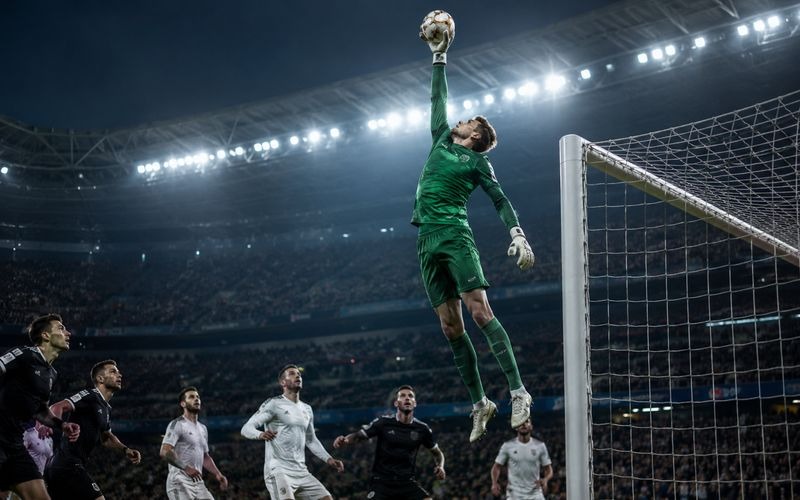
The FIFA World Cup 2026 represented one of the biggest expansions in international football, bringing together 48 national teams across an unprecedented tournament hosted by Canada, Mexico, and the United States. With larger squads, new tactical approaches, emerging stars, experienced veterans, and highly competitive qualification campaigns, supporters had plenty to follow before the tournament began. Team rosters became especially important because coaches had to balance established names with younger talent while managing injuries, form, and tactical requirements. For readers following football information alongside searches such as tai xiu md5, understanding how national-team selections work provides useful context for evaluating match expectations without confusing roster speculation with confirmed squad information.
How FIFA World Cup 2026 Rosters Were Built and Selected
The move to a 48-team World Cup changed the competitive landscape and increased the number of players participating on football’s biggest international stage. Every qualified nation approached squad selection differently depending on its footballing culture, qualifying performance, tactical identity, and available talent. National coaches generally began with a broad pool of players before reducing that group to the official tournament squad according to FIFA regulations. Established international players often had an advantage because coaches already understood their performances under pressure, but emerging players could force their way into contention through excellent club form.
Important Factors Behind Squad Selection
- Recent club form: Coaches closely considered performances at domestic and international club level.
- International experience: Players familiar with major tournaments could provide composure during difficult matches.
- Tactical flexibility: Modern squads often favored players capable of performing multiple roles.
- Physical condition: Fitness and injury status could significantly influence final selections.
- Team balance: Coaches needed suitable combinations of defenders, midfielders, attackers, and goalkeepers.
- Tournament requirements: A larger World Cup field meant teams needed sufficient depth to handle multiple matches.
Roster announcements also generated considerable discussion because supporters naturally wanted their favorite players included. However, selection was ultimately a technical decision made by each national coaching staff. A famous name did not automatically guarantee a place, while a relatively unknown player could become an important contributor if their characteristics suited the team’s tactical system.
Star Players Expected to Shape the 2026 World Cup
The 2026 tournament featured another generation of football stars alongside experienced players who had already established themselves at previous World Cups. The transition between generations was one of the most interesting themes surrounding team rosters. Some national teams entered the competition with established superstars expected to carry significant responsibility, while others increasingly depended on younger players who had become regular starters at major European clubs.
Player Profiles That Attracted Attention
- Creative attackers: Wingers, attacking midfielders, and forwards remained central to teams seeking to break down compact defenses.
- Goal-scoring forwards: Proven finishers could determine the outcome of closely contested knockout matches.
- Progressive midfielders: Players capable of controlling possession and creating opportunities became increasingly valuable.
- Modern defenders: Center-backs and full-backs were expected to contribute both defensively and during buildup.
- Elite goalkeepers: Reliable goalkeeping remained essential, particularly during knockout-stage pressure.
- Emerging talents: Young players offered energy, unpredictability, and tactical versatility.
One of the defining characteristics of international football is that individual reputation does not always translate directly into tournament success. A highly talented player can struggle if the surrounding tactical structure is unsuitable, while a less celebrated squad member can become decisive because of excellent positioning, discipline, or work rate. Consequently, World Cup roster analysis is most useful when individual talent is considered together with team structure.
Coaches and Tactical Leaders Behind the National Teams
Players receive most of the attention when squad announcements are made, but head coaches have enormous influence over how those players perform. A national-team manager has limited preparation time compared with a club coach, making tactical clarity especially important. Coaches must communicate a system quickly, establish responsibilities, identify leadership groups, and build chemistry among players who may spend most of the year playing for different clubs.
What Coaches Had to Manage
- Formation selection: Coaches had to determine whether a 4-3-3, 4-2-3-1, 3-4-3, or another system best suited their squad.
- Player roles: Individual responsibilities needed to be clearly defined before competitive matches.
- Squad chemistry: Different club backgrounds and playing styles had to be integrated into one unit.
- Opponent analysis: Tactical plans often changed according to the strengths and weaknesses of opponents.
- In-game adjustments: Substitutions and formation changes could completely alter a match.
- Tournament pressure: Coaches had to make difficult decisions while facing enormous expectations.
Experienced coaches could offer an important advantage because World Cup football often produces situations that cannot be fully replicated in ordinary league competition. A manager’s ability to remain calm, adjust tactics, and make timely substitutions can become as influential as the quality of the starting lineup.
Squad Depth, Injuries, and Late Changes Could Transform Teams
One of the most important aspects of World Cup squad news is that roster announcements do not necessarily represent the end of the story. Injuries, fitness concerns, suspensions, and unexpected changes can affect a national team shortly before or during a tournament. Because the competition is played over a concentrated period, teams need enough depth to remain competitive even when important players are unavailable.
Issues That Could Influence Final Squads
- Pre-tournament injuries: A serious injury could remove an established starter from consideration.
- Fitness concerns: Players returning from injury might not be physically prepared for tournament intensity.
- Suspensions: Disciplinary issues could affect availability during crucial matches.
- Late replacements: Tournament regulations can permit changes under specific circumstances.
- Unexpected breakthroughs: Strong performances in preparation matches can change selection priorities.
- Tactical reshuffling: An injury to one player may force an entire positional structure to change.
Squad depth was particularly important because a World Cup involves multiple matches against different opponents. A team might begin with a preferred starting XI but eventually rely on substitutes or reserve players because of injuries, fatigue, tactical requirements, or suspensions. This is why roster analysis should examine the entire squad instead of focusing exclusively on the most famous names.
Tracking Squad News Without Confusing Rumors With Confirmed Information
Football supporters encounter an enormous amount of roster information before major tournaments. Social media posts, unofficial reports, fan discussions, injury rumors, and predicted lineups can spread rapidly, sometimes making it difficult to distinguish confirmed information from speculation. Responsible squad analysis therefore requires separating official announcements from predictions and understanding that a reported selection is not necessarily the same as a finalized FIFA registration.
A Better Way to Evaluate Squad Information
- Check official announcements: National football associations remain the strongest source for confirmed selections.
- Separate predictions from confirmations: Projected squads should not be presented as official rosters.
- Consider publication dates: Older reports can become inaccurate after later injuries or selection decisions.
- Review multiple reliable reports: Major squad developments are stronger when independently confirmed.
- Watch official match selections: Starting lineups provide evidence about actual tactical preferences.
- Avoid treating social media speculation as fact: Online discussion can move faster than reliable reporting.
For audiences searching for terms such as link vào tài xỉu md5, it is equally important to distinguish entertainment-oriented searches from reliable football information. Betting-related discussions, predictions, and squad news can overlap online, but they should not be treated as interchangeable sources. A confirmed team roster provides factual information, whereas a prediction is an interpretation that can change quickly.
How Different Teams Approached Their 2026 Squad Strategies
The 48-team format created opportunities for a wider range of national teams to participate on the world’s largest football stage. Established football powers generally entered with deep pools of players competing at elite clubs, while developing teams could view qualification as an opportunity to introduce new talent and gain international experience. The difference in squad-building strategies made the tournament particularly interesting from a tactical perspective.
Common Squad-Building Approaches
- Experience-first selections: Some coaches prioritized veteran players with extensive international backgrounds.
- Youth-focused development: Other teams emphasized younger players with long-term international potential.
- Balanced squads: Many managers combined experienced leaders with emerging stars.
- Defensive organization: Teams with fewer elite attacking options could emphasize compact defensive structures.
- Counterattacking systems: Speedy forwards and disciplined midfielders could support transition-based football.
- Possession-oriented squads: Technically gifted midfielders could help teams control matches through sustained possession.
The strongest roster is not necessarily the one containing the largest collection of famous players. Successful tournament football often depends on how well individual characteristics complement one another. A squad with fewer global stars may outperform expectations when its players understand their responsibilities and execute the coach’s system consistently.
What FIFA World Cup 2026 Squad News Meant for Tournament Expectations
Roster information played a major role in shaping expectations surrounding every national team. Supporters, analysts, journalists, and football communities examined squad announcements to identify potential strengths and weaknesses. Goalkeeper depth, defensive leadership, midfield creativity, attacking options, and bench quality could all influence perceptions before competitive matches began. At the same time, tournament football frequently produces surprises, meaning pre-match expectations should never be treated as guarantees.
Key Lessons From World Cup Squad Analysis
- Talent matters, but structure matters too: Individual quality becomes more effective when players fit the tactical system.
- Depth can decide long tournaments: Teams need dependable alternatives when starters become unavailable.
- Coaches influence performance: Tactical decisions can maximize or limit a squad’s potential.
- Youth can change a tournament: Emerging players sometimes make an immediate international impact.
- Experience remains valuable: Veteran players can provide leadership during high-pressure moments.
- Official information should lead analysis: Confirmed rosters are more reliable than rumors and predictions.
Understanding team rosters also helps explain why international football can be so unpredictable. A team’s success depends on much more than the names printed on its squad list. Preparation, coaching, tactical execution, player relationships, physical condition, and confidence all influence performance once the tournament begins.
Conclusion: Why FIFA World Cup 2026 Team Rosters, Players, Coaches, and Squad News Matter
The FIFA World Cup 2026 offered an expanded stage for established stars, emerging talents, experienced coaches, and national teams from across the global football community. With 48 participating nations, roster construction became even more significant because every squad needed enough quality and depth to handle a demanding tournament schedule. Players brought different technical abilities and international experiences, while coaches were responsible for turning those individual qualities into cohesive tactical systems.
Final Points to Remember
- Official squad announcements provide the strongest foundation for roster analysis.
- Player form and fitness can influence selections and tournament performance.
- Coaching decisions remain crucial to maximizing squad potential.
- Injuries and late changes can reshape a team’s competitive outlook.
- Young players can become important contributors alongside established veterans.
- Reliable sources should always be separated from rumors and predictions.
Ultimately, studying FIFA World Cup 2026 team rosters is about more than listing famous players. It provides insight into how national teams prepare for elite competition, how coaches construct tactical groups, and how individual talent fits into a broader footballing strategy. The expanded tournament format made squad depth and adaptability especially important, while the combination of experienced leaders and younger generations ensured that the competition represented another major stage in the evolution of international football. For anyone following World Cup history, team rosters, player development, coaching strategies, and squad changes remain essential pieces of understanding what makes the tournament so compelling.


