

Electrical safety is a critical concern for businesses and industrial facilities, particularly those dealing with high-voltage systems. Ensuring compliance with electrical safety regulations and maintaining reliable energy systems are essential for protecting workers, preventing costly downtime, and improving overall operational efficiency.
Bowtie Engineering stands at the forefront of these efforts, offering a range of services designed to enhance electrical safety, system reliability, and compliance. From incident energy studies and arc flash hazard analysis to energy asset management and NFPA 70E training, Bowtie Engineering is leading the way in safeguarding electrical environments.
Understanding Incident Energy and Arc Flash Hazards
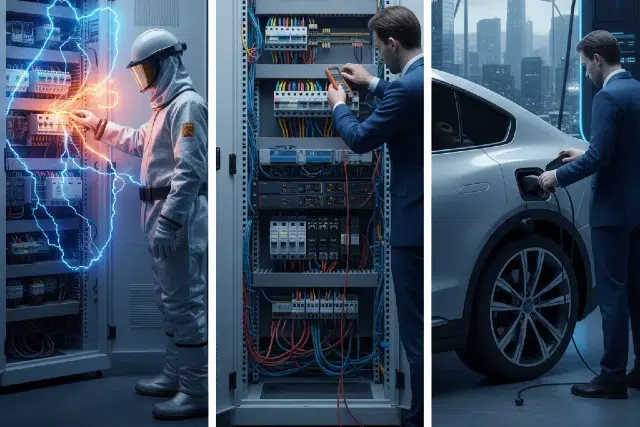
One of the key components of electrical safety is understanding and mitigating the risks associated with incident energy and arc flash hazards. An incident energy arc flash can cause severe damage to both people and equipment. These dangerous occurrences are typically caused by electrical faults, where a sudden release of energy results in an arc flash that can produce extreme temperatures and force. The dangers of arc flashes are not only immediate but can also lead to long-term health issues, including burns and blindness.
Bowtie Engineering’s expertise in conducting incident energy studies helps identify potential arc flash hazards in workplaces, enabling businesses to take proactive measures. These studies involve calculating the energy levels that workers might be exposed to in the event of an arc flash, allowing for the proper selection of personal protective equipment (PPE) and the implementation of safety measures to minimize risks.
The Importance of Electrical Safety Testing
Electrical safety testing is vital for preventing incidents and ensuring system reliability. Regular testing can detect issues such as insulation failures, improper grounding, and equipment malfunctions that could lead to hazardous situations. Bowtie Engineering offers comprehensive electrical safety testing services, which include the inspection and testing of electrical systems to ensure they meet industry standards and regulatory requirements.
Bowtie Engineering also specializes in energy asset management, helping businesses maintain their electrical systems’ health and efficiency. Regular maintenance and testing of electrical equipment ensure that systems remain operational, reducing the likelihood of unexpected failures. The company’s commitment to electrical safety testing ensures that businesses stay compliant with regulations, while also protecting the lives of their workers.
Compliance with NFPA 70E Standards
In the realm of electrical safety, compliance with NFPA 70E standards is a crucial factor in ensuring both safety and system reliability. These standards, established by the National Fire Protection Association, provide guidelines for electrical safety in the workplace. They focus on reducing the risk of electrical hazards, such as arc flash, through safety practices, training, and proper PPE usage.
Bowtie Engineering helps businesses comply with NFPA 70E standards through its specialized training programs. Their NFPA 70E training covers everything from hazard analysis to PPE selection and safe work practices. By providing businesses with the knowledge and tools needed to meet these standards, Bowtie Engineering ensures that electrical systems are both safe and compliant, reducing the risk of accidents and improving operational reliability.
Arc Flash Boundary and PPE Selection
When it comes to arc flash safety, understanding the concept of the arc flash boundary is crucial. An arc flash boundary is defined as the distance at which a person could be exposed to second-degree burns if an arc flash were to occur. This boundary is determined based on the incident energy levels and the specific characteristics of the electrical system.
Once the arc flash boundary is established, businesses can implement safety measures such as PPE selection, safety protocols, and proper equipment labeling. Bowtie Engineering’s incident energy studies help define these boundaries and ensure that all workers are protected within them. Their services also include advising on appropriate PPE, such as flame-resistant clothing, face shields, and insulated gloves, to protect workers in case of an arc flash.
EV Systems Testing for Safe and Scalable Charging
In addition to traditional electrical safety concerns, the rise of electric vehicles (EVs) has introduced new challenges in the field of electrical safety. As the adoption of EVs increases, so does the demand for reliable, scalable, and safe charging infrastructure. Bowtie Engineering offers EV systems testing services that ensure charging stations meet safety standards and can support the growing demand for EVs.
These testing services evaluate the electrical systems powering EV charging stations, ensuring they are capable of handling the required loads while minimizing risks. By conducting thorough testing and providing recommendations for safe charging solutions, Bowtie Engineering plays a crucial role in ensuring the safety of both the charging infrastructure and its users.
Conclusion
Electrical safety, compliance, and system reliability are critical to the smooth operation of any industrial facility or business that relies on electrical systems. Bowtie Engineering leads the way in addressing these challenges, offering a wide range of services that include incident energy studies, arc flash hazard analysis, electrical safety testing, NFPA 70E training, and EV systems testing.
By partnering with Bowtie Engineering, businesses can ensure that they are fully compliant with safety standards, reduce the risk of electrical accidents, and maintain reliable energy systems. With their expertise and commitment to safety, Bowtie Engineering is an invaluable resource for organizations looking to improve their electrical safety programs and enhance overall operational efficiency.


