


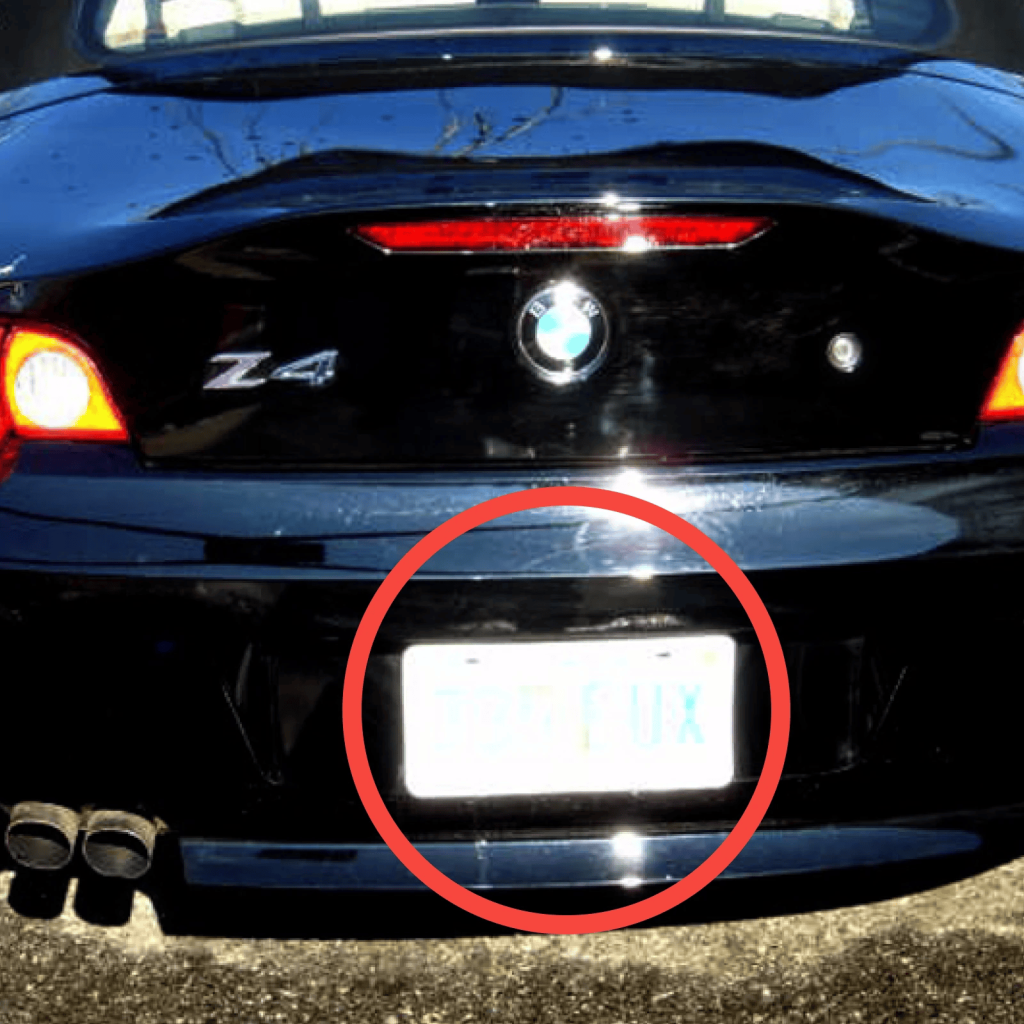
The term phantom plates has long been surrounded by speculation. Some imagine futuristic gadgets that make cars invisible, while others picture underground devices that fool every scanner on the road. The truth is far more ordinary.
Phantom plates usually refer to thin films, stickers, or transparent covers that interfere with camera accuracy. To human eyes, the plate looks unchanged, but recognition systems often capture blurry or overexposed images. For drivers in the U.S. of 2025, this makes phantom plates less about magic and more about privacy.
In practice, their popularity comes from being affordable, subtle, and easy to apply without altering the look of the car. Instead of attracting attention like oversized frames or tinted plastic covers, these solutions remain nearly invisible. This balance between effectiveness and discretion explains why interest in phantom plates continues to grow.
Myths About the Invisible Number Plate
One of the most persistent myths linked to phantom plates is the idea of an invisible number plate – https://no-fines.com. Advertisements often promise that a single product can make a plate vanish completely. Tests conducted by enthusiasts and media programs show otherwise: no device can erase a license plate from view.
What real technology can achieve is distortion. By scattering light, films reduce the accuracy of automated scans. The plate stays visible for law enforcement and other drivers, but automated databases may fail to record it correctly. This balance between legal visibility and digital confusion explains the appeal.
Drivers in 2025 are smarter about these claims, often relying on reviews, community tests, and long-term experiences rather than flashy ads. The lesson is clear: invisibility belongs to science fiction, while partial protection is the real-world fact.
Reality of the License Plate Film Cover
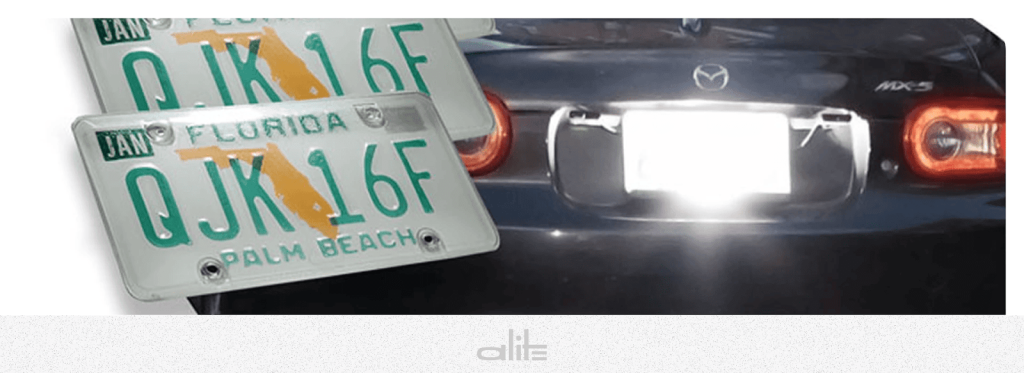
A practical and reliable version of phantom plate technology is the license plate film cover. Unlike sprays or bulky frames, this product is a thin layer applied directly to the plate. Its primary function is to scatter reflections, making sharp images harder to capture.
Drivers also appreciate its secondary benefits. A quality film cover does more than confuse cameras:
- It protects plates from scratches and fading.
- It prevents corrosion from road salt and winter debris.
- It extends the overall lifespan of the plate.
This combination of privacy and preservation makes film covers one of the most popular choices in 2025. In addition, installation takes only minutes, and the cover blends seamlessly with the plate’s design. For many drivers, it’s an everyday upgrade that quietly does its job without attracting attention.
How the Anti Radar Sticker and Its Alternatives Work
Another product associated with phantom plates is the anti radar sticker. Unlike sprays, which wear off quickly, stickers are engineered to last through heat, snow, and rain. They change how light bounces back to speed-detection cameras, making scans less reliable.
Closely related is the anti camera sticker, designed to reduce the effectiveness of flash-based traffic systems. Although marketed differently, both technologies rely on the same principle: light scattering. For many drivers, the attraction lies in their simplicity—they apply as easily as a phone screen protector and require little maintenance.
By 2025, these stickers are often viewed as entry-level solutions for people new to phantom plate technology. Their low cost makes them accessible, while their durability ensures they remain useful season after season. This combination has helped them become widely accepted among everyday motorists.
Myths to Avoid About Phantom Plates
Despite real benefits, phantom plates also attract plenty of myths. Some products make promises that simply cannot be delivered. New drivers in particular should be cautious about common misconceptions:
- Sprays are enough — In reality, sprays fade quickly and cannot resist modern infrared cameras.
- Cheap plastic covers always work — Low-cost covers often crack, yellow, or warp after months of sun exposure.
- Total invisibility is possible — Plates cannot vanish; at best, they distort machine captures.
- Every product works the same — Premium films are engineered to last, while knock-offs fail fast.
- Regulations don’t apply — Legal rules vary by state, and ignorance is no defense.
These myths remain popular because they sound simple and cheap. However, relying on them leads to disappointment and wasted money. In contrast, proven products such as films and stickers provide consistent results when used correctly and responsibly.
Phantom Plates in 2025: The Facts That Matter
The real story of phantom plates in 2025 is not about invisibility, but about balance. Cameras are everywhere—toll booths, parking garages, intersections, and even on patrol cars. A license plate film cover or a well-made sticker does not make a car disappear. Instead, it reduces the amount of unnecessary data collected about drivers every day.
For many motorists, phantom plates mean three things: privacy from constant monitoring, physical protection for the license plate, and peace of mind. Whether using an anti radar sticker, an anti camera sticker, or simply a high-quality cover, drivers see these solutions as practical tools in a world of increasing surveillance.
Looking ahead, these products are expected to evolve with new materials that resist scratches even more effectively and adapt better to infrared detection. Phantom plates will not make cars invisible, but they will continue to provide a realistic defense against overreaching surveillance. And for most drivers, that balance is more valuable than science fiction promises.


