


In the digital world, users regularly encounter utility updates, promotional offers, discount codes, and special announcements across websites and online platforms. While these messages may appear similar at first, they serve different purposes. Utility updates provide practical information about a service, while random promo codes usually focus on attracting attention through discounts, bonuses, or limited-time offers. Understanding the difference helps users identify useful information, avoid misleading promotions, and make better decisions when browsing online.
A platform guide can help readers understand important website details without relying on promotional claims. W88 Link is a relevant search term for W88-related information. Visitors should explore official policies, review eligibility requirements, and understand applicable laws to approach online gaming services responsibly.
The comparison between utility updates vs random promo codes is especially important for people who use digital services, shopping websites, subscription platforms, and online entertainment services. Knowing which messages deserve attention can improve the online experience and reduce the risk of clicking suspicious links.
What Are Utility Updates?
Utility updates are informational messages designed to communicate important changes, improvements, or requirements related to a product or service. They help users understand how a platform operates and whether any action is necessary.
For example, a website might announce scheduled maintenance, a revised privacy policy, a new security feature, or an update to its account management system. These messages generally prioritize clarity and usefulness rather than encouraging immediate purchases.
Common examples of utility updates include:
- Scheduled maintenance notifications.
- Password and account security alerts.
- Changes to service availability.
- Software updates and feature improvements.
- Updated terms of service or privacy policies.
- Notifications about billing procedures or subscription renewals.
A useful update normally explains what has changed, when the change takes effect, and how it affects users. Depending on the situation, it may also provide instructions for completing a necessary action.
What Are Random Promo Codes?
Random promo codes are promotional combinations of letters, numbers, or words that businesses use to advertise discounts, bonuses, or other special offers. They may appear in advertisements, newsletters, social media posts, affiliate websites, or promotional campaigns.
Some codes are legitimate and provide genuine benefits. Others may be expired, restricted to certain customers, or published by unofficial websites without confirmation from the original business.
Examples of promotional offers include:
- Percentage discounts on eligible purchases.
- Free shipping on qualifying orders.
- Introductory discounts for new customers.
- Limited-time subscription offers.
- Seasonal promotional campaigns.
- Rewards available under specific terms and conditions.
The main purpose of a promo code is to encourage a particular action, such as completing a purchase, subscribing to a service, or exploring a new product. Unlike utility updates, promotional codes are generally optional and do not communicate essential service information.
Utility Updates vs Random Promo Codes: Key Differences
Although both types of messages can appear on the same website, their objectives, reliability requirements, and practical value differ.
1. Purpose and Intent
Utility updates focus on communication. They tell users about changes that may affect their accounts, access, privacy, or overall service experience.
Random promo codes focus on promotion. Their purpose is to attract interest and encourage users to take advantage of an offer.
For example, a notification about scheduled website maintenance is a utility update because it informs visitors about a service interruption. A code offering a discount on a subscription is promotional because it encourages a purchase.
2. Reliability and Verification
Official utility updates should come from a recognizable and trustworthy source, such as the service provider’s website, verified account dashboard, or official communication channel.
Promo codes require additional verification because their validity may depend on expiration dates, eligibility requirements, geographical restrictions, or minimum purchase amounts.
Before using a promotional code, users should check the original provider’s website and review the applicable conditions. A code displayed on an unfamiliar website should not automatically be considered authentic.
3. Time Sensitivity
Some utility updates remain relevant for extended periods, while others communicate urgent changes. A permanent policy update may remain useful for months, whereas a maintenance notification may apply only to a specific date.
Promo codes are frequently time-sensitive. A discount might expire within hours or days, or it may stop working after a limited number of redemptions.
However, urgency alone does not prove that an offer is legitimate. Messages claiming that an opportunity will disappear immediately should be evaluated carefully.
4. User Value
Utility updates provide informational value by helping users understand their services and respond to important changes. Their benefits may include improved security, fewer interruptions, and better awareness of platform policies.
Promo codes can provide financial savings when they are genuine and relevant. However, the actual benefit depends on the offer’s restrictions and the user’s needs.
A discount is not necessarily valuable if it encourages an unnecessary purchase. Similarly, a routine service update may not require immediate action, even though it remains useful information.
Advantages of Utility Updates
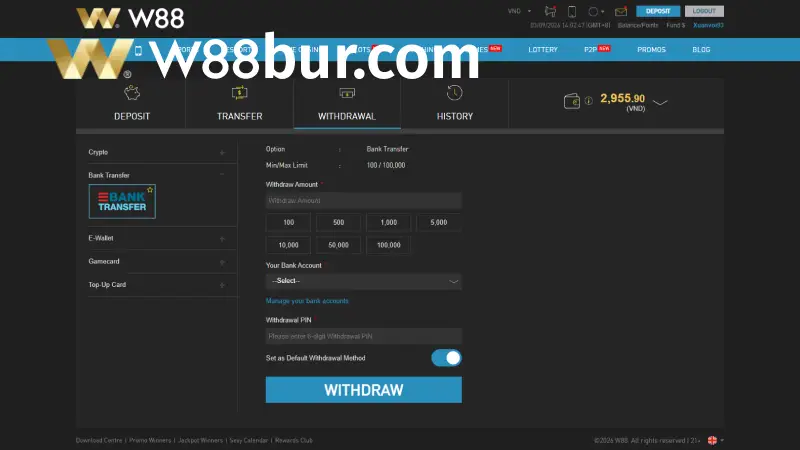
W88 withdrawal page provides information about withdrawal procedures, payment methods, and transaction requirements. Visitors should review processing times, applicable fees, identity verification rules, and withdrawal conditions. Checking the official terms before submitting a request can help users understand the process and avoid common payment misunderstandings.
Utility updates offer several benefits for both users and businesses.
Improved communication: Clear notifications help users understand changes without searching through multiple pages or support documents.
Better account security: Security alerts can encourage users to review account activity, update credentials, or verify important changes through official channels.
Greater transparency: Updates about policies, pricing, and service availability help establish realistic expectations.
Reduced confusion: Timely information can prevent misunderstandings about outages, billing changes, and new features.
Long-term usefulness: Unlike short-lived discounts, many utility updates remain accessible as reference information.
For these reasons, users should pay attention to relevant service notifications, especially those involving account security, privacy, or important policy changes.
Advantages and Limitations of Random Promo Codes
Promotional codes can be useful when they offer genuine savings on products or services that users already intend to purchase.
One major advantage is convenience. A valid code may reduce the final price without requiring customers to search for separate discounts at checkout. Businesses can also use promotional campaigns to introduce new products or reward existing customers.
Nevertheless, promo codes have limitations. Some expire quickly, apply only to selected products, or require a minimum spending amount. Other offers may be advertised without clearly explaining their restrictions.
Random codes found on third-party websites can also lead to misleading pages, unwanted subscriptions, or suspicious downloads. Users should avoid providing sensitive information merely to reveal a supposedly exclusive code.
The best approach is to compare the final price, read the terms, and verify the offer before using it.
How to Identify a Genuine Utility Update
Recognizing legitimate updates is an important part of maintaining a safe online experience.
First, examine the source. Messages delivered through an official account dashboard or a previously verified service channel are generally easier to authenticate than unexpected messages from unknown senders.
Second, review the content. Genuine updates usually explain the relevant change in understandable language. Be cautious of messages that demand immediate action without providing a clear reason.
Third, verify links independently. Instead of clicking an unfamiliar link, open the provider’s official website directly or use its established application.
Finally, never share passwords, verification codes, or other sensitive account information in response to an unexpected notification. If an alert concerns account security, confirm it through the official service.
How to Evaluate Random Promo Codes Safely
Users can follow a few practical steps before trying a promotional offer.
- Check the source: Look for the code on the business’s official website or verified promotional channels.
- Confirm the expiration date: Make sure the offer is still active.
- Read the conditions: Check eligibility, minimum spending requirements, exclusions, and redemption limits.
- Compare the final price: Determine whether the discount genuinely improves the deal.
- Avoid suspicious links: Do not download unknown files or install unfamiliar extensions to access a code.
- Protect personal information: A legitimate discount should not require unnecessary sensitive details.
These precautions help users distinguish useful promotions from expired, misleading, or potentially unsafe offers.
When Should Users Pay Attention to Each One?
The choice between utility updates and random promo codes depends on the user’s immediate needs.
Utility updates deserve priority when they concern security, service interruptions, account access, privacy, billing, or policy changes. Ignoring these notifications could result in missed information or preventable account problems.
Promo codes are worth reviewing when a user is already considering a purchase or subscription and wants to compare available offers. They should remain optional rather than becoming a reason to spend money unnecessarily.
For businesses, the distinction is equally important. Service notifications should be separated from advertising messages so customers can identify essential information quickly. Clear labeling and honest communication help maintain trust.
Common Mistakes to Avoid
One common mistake is assuming that every message labeled as an update is official. Scammers may imitate familiar brands, use similar-looking website addresses, or create messages designed to resemble genuine service alerts.
Another mistake is trusting every promo code because it appears on a popular discussion forum or coupon website. Third-party listings may contain outdated information or links that lead to unrelated services.
Users should also avoid confusing urgency with importance. A genuine security notice may require attention, but an advertisement that pressures someone to act immediately deserves careful scrutiny.
Finally, avoid clicking every notification or testing every code. Reviewing the source and considering the relevance of a message is usually more useful than responding automatically.
Conclusion
Understanding utility updates vs random promo codes helps users navigate online platforms more confidently. Utility updates communicate service-related information, including security notices, maintenance schedules, policy changes, and feature improvements. Random promo codes, on the other hand, offer potential discounts or promotional benefits that depend on their validity and terms.
Both can be useful when approached appropriately. Users should prioritize important service information, verify promotional offers through trusted sources, and avoid sharing sensitive details with unfamiliar websites. By checking the source, reading the conditions, and evaluating the actual value of each message, users can make informed decisions and enjoy a safer, more efficient online experience.


